Roasting & Steaming
Thermal oil roasting pans, electric steamers, and wood-fired steamers for optimal seed preparation before oil pressing.
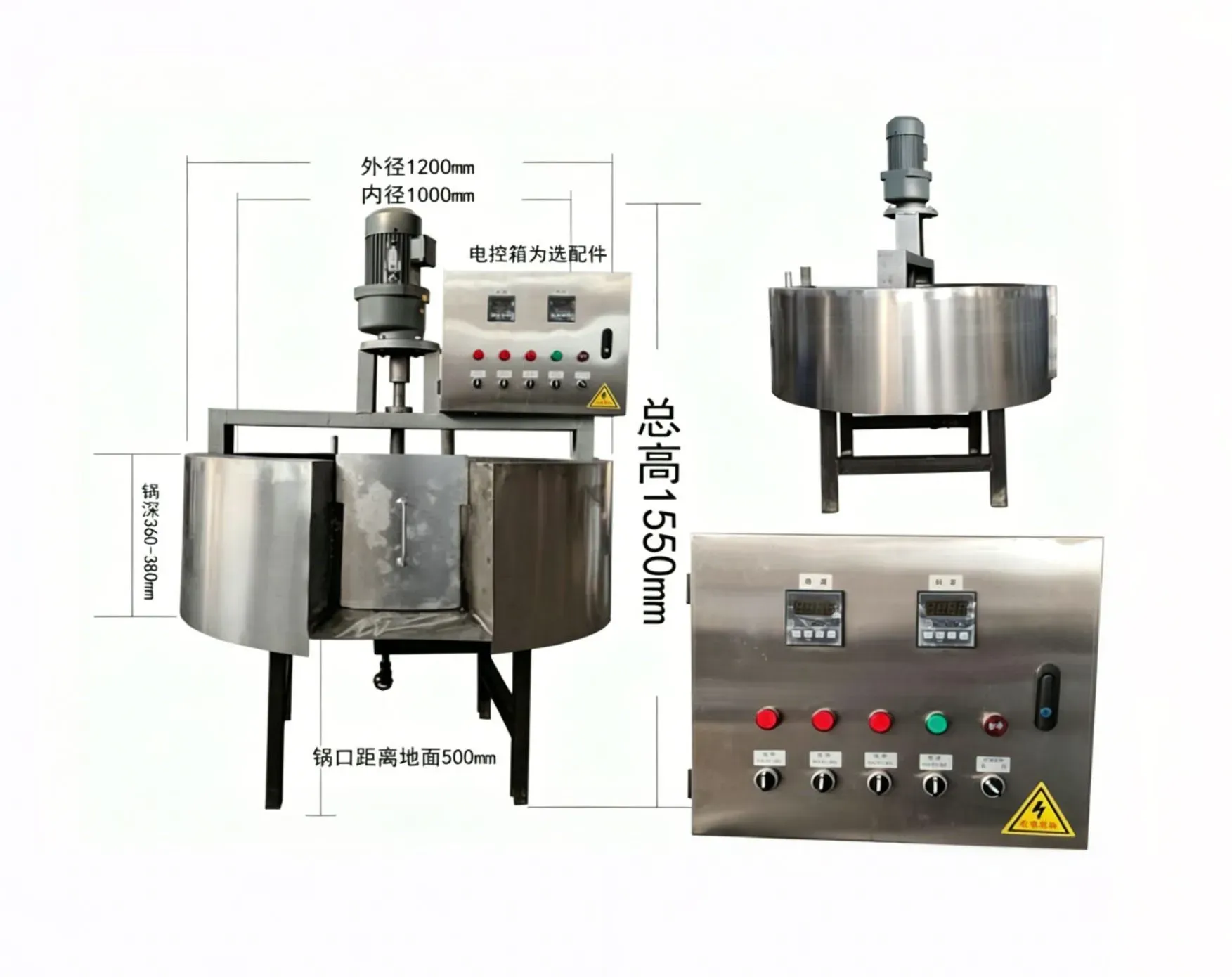
Thermal Oil Roasting Pan
Thermal oil roasting pan for seed roasting and temperature adjustment. Even heating with thermal oil circulation for consistent roasting and improved oil flavor.
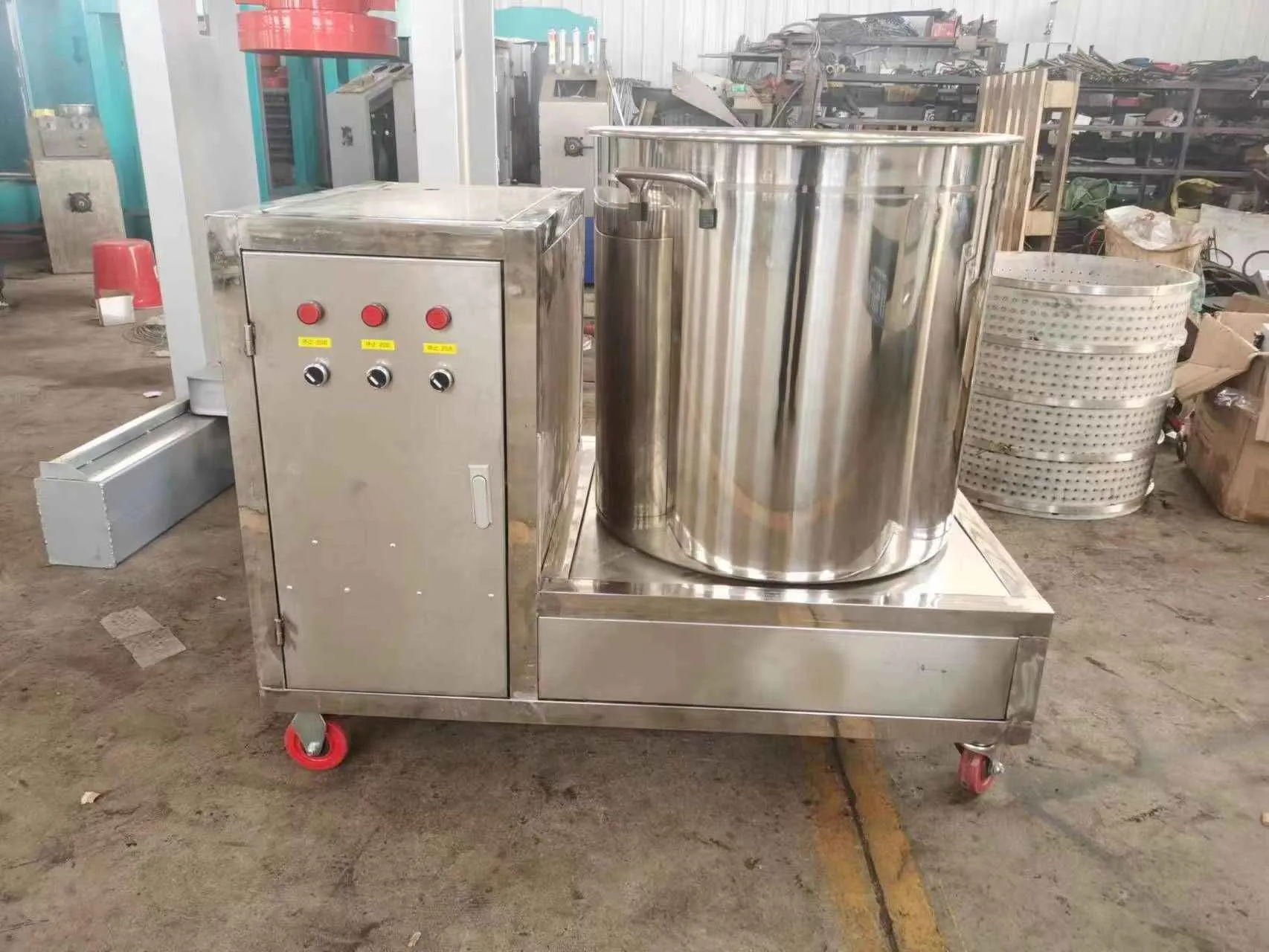
Electric Seed Steamer
Electric seed steamer for pre-press oil seed conditioning. Temperature-controlled steaming adjusts seed moisture and temperature for optimal oil yield.
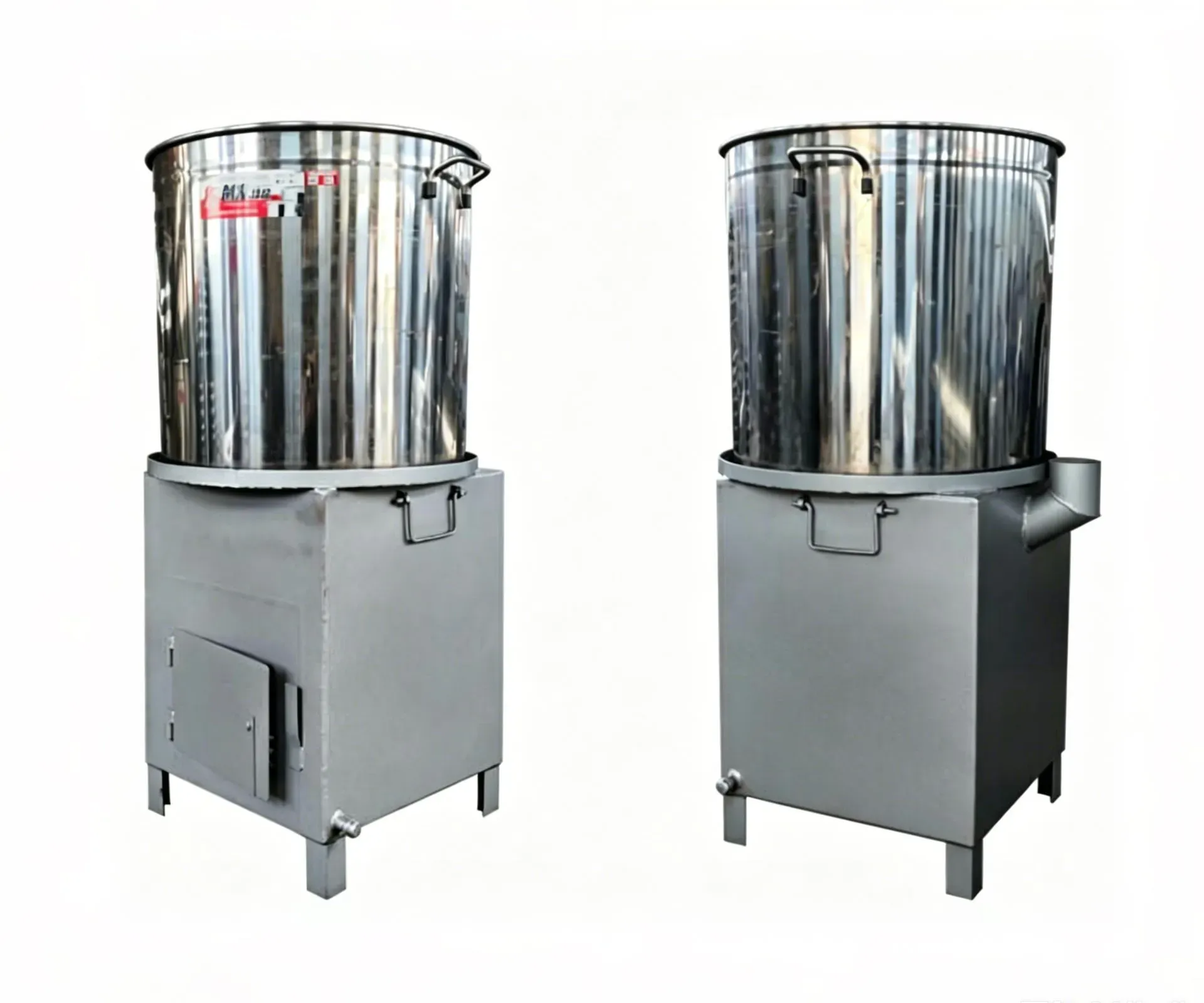
Wood-Fired Seed Steamer
Wood-fired seed steamer for cost-effective oil seed conditioning. Economical steaming solution using wood or biomass fuel for areas with limited electricity.
Roasting and steaming equipment applies controlled heat to prepared seeds before pressing. The purpose is to break down cell walls, reduce oil viscosity, and inactivate enzymes that cause rancidity. This step can increase oil yield by 5–15% compared to pressing unheated seeds, and significantly improves flavor development in the finished oil.
Temperature control is the critical variable. Different seeds require different roasting profiles — sesame typically reaches 180–200°C, while flaxseed must stay below 105°C to prevent omega-3 degradation. Steaming (moisture addition under heat) is used for seeds that are too dry or too hard for direct pressing, softening the seed structure and making the oil easier to extract.
Model Range
Haonuo offers three models: an electrically heated drum roaster for precise temperature control (50–300°C), a gas-fired roasting pan for high-volume traditional roasting, and a combined steaming and roasting unit that adds moisture control for hard seeds. Batch capacities range from 20 kg to 80 kg per cycle.
The electric drum roaster suits operations that process multiple seed types and need repeatable temperature profiles. The gas-fired pan is preferred by producers who value traditional flavor development and have access to LPG or natural gas. The combined unit serves operations processing hard seeds like shea or walnut that require moisture conditioning.
Selection Criteria
| Factor | What to Consider |
|---|---|
| Heat source | Electric for precision and repeatability; gas for lower operating cost and traditional flavor profiles |
| Temperature range | Ensure the machine covers the full range needed for your seed varieties — some seeds require low-temperature drying (below 105°C), others need high-temperature roasting (above 180°C) |
| Batch capacity | Match to your press cycle — the roaster should finish one batch in the time the press completes one pressing cycle |
| Temperature uniformity | Drum rotation or stirring mechanism ensures even heating; uneven roasting causes inconsistent yield and off-flavors |
Process position: Roasting and steaming occurs after seed cleaning and before hydraulic pressing. The roasted seeds are immediately loaded into the press barrel while warm, as cooled seeds yield less oil. See our Complete Oil Production Line Guide for the full process.
Frequently Asked Questions
What is the difference between roasting and steaming?
Can I use the same roaster for different seeds?
Need Help Choosing the Right Roasting & Steaming?
Our engineers can recommend the best machine for your oil seeds, capacity, and budget. Get a free quotation within 24 hours.