Filtration & Refining
Pneumatic oil filter presses and edible oil refining systems for producing high-quality finished oil.
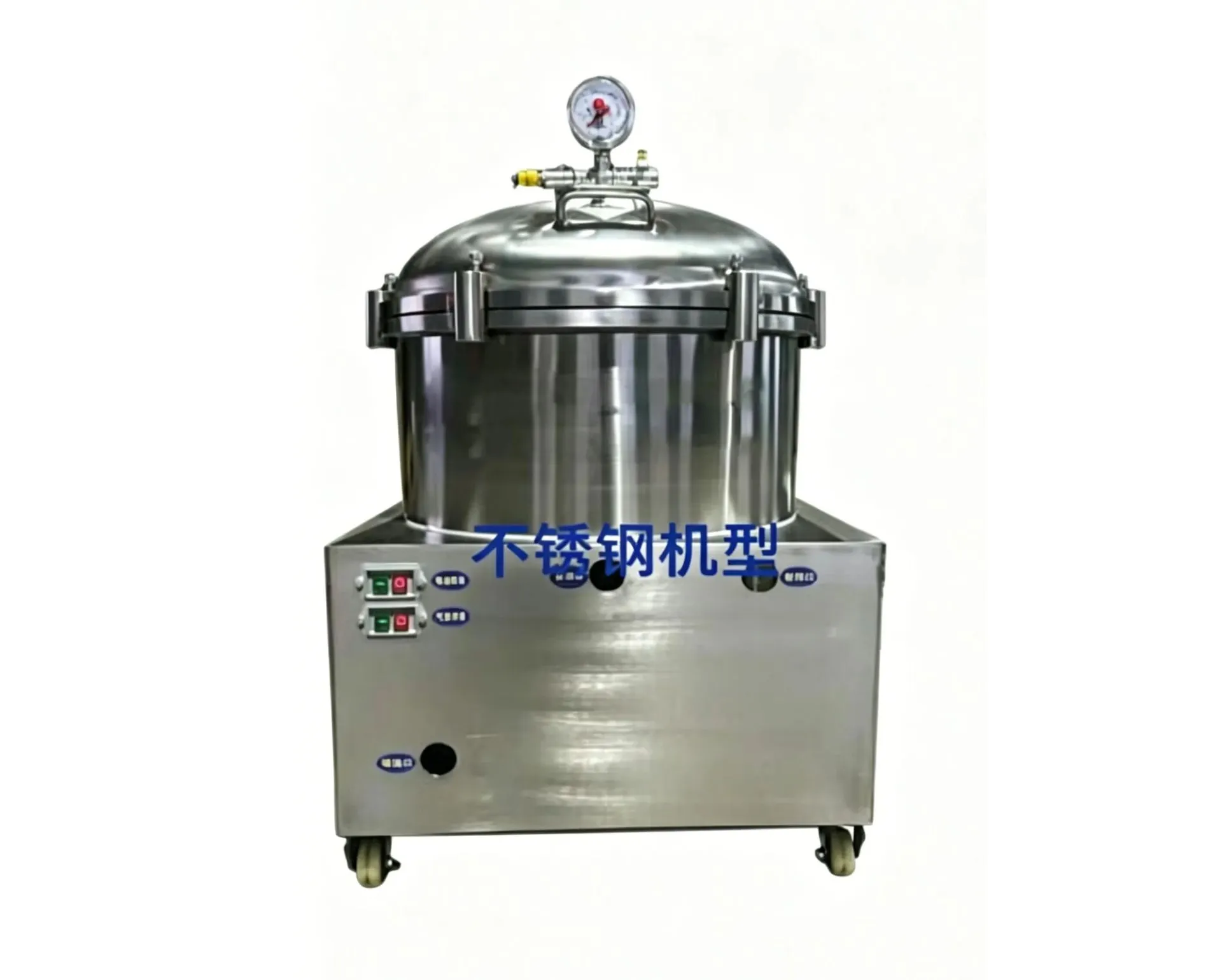
Pneumatic Oil Filter Press
Pneumatic oil filter press for crude oil filtration and purification. Compressed air-driven filtration removes impurities and residue for clear, market-ready oil.
Stainless Steel Oil Refining Equipment
Food-grade stainless steel oil refining equipment for premium oil production. Meets international food safety standards with 1-50 T/D processing capacity.
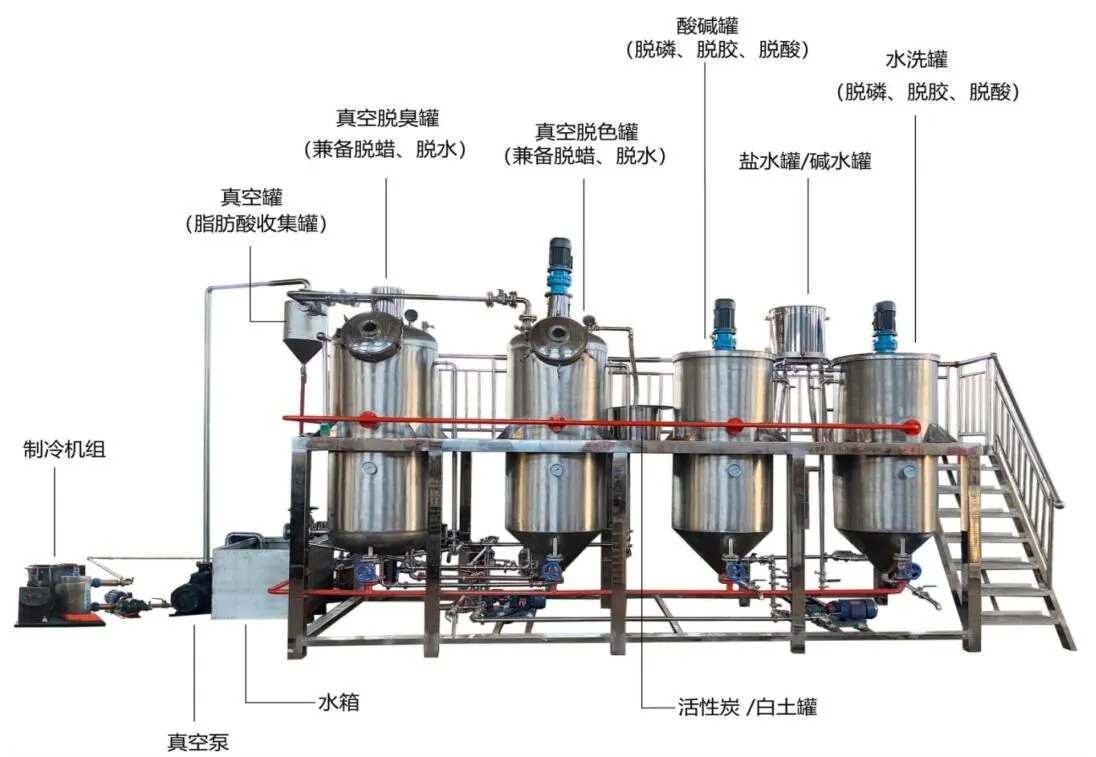
Edible Oil Refining System
Complete edible oil refining system with degumming, neutralization, bleaching, and deodorization. Batch or continuous processing for premium cooking oil production.
Filtration and refining equipment transforms crude pressed oil into a clear, stable, market-ready product. Crude oil straight from the press contains suspended solids, moisture, phospholipids, and free fatty acids that cause cloudiness, off-flavors, and short shelf life. Filtration removes physical impurities; refining addresses chemical impurities through degumming, neutralization, and bleaching.
The level of processing required depends on the end use. Oil for immediate local sale may need only basic filtration to 20 microns. Oil for retail packaging requires fine filtration to 5 microns plus moisture removal. Oil destined for export or premium food markets may require full refining to meet international food-grade standards.
Model Range
Haonuo provides three models covering different filtration levels. The plate-and-frame filter press handles coarse to fine filtration (5–50 microns) for small to medium operations. The pneumatic filter press uses compressed air to achieve finer filtration at higher throughput. The combined refining unit performs degumming, neutralization, and bleaching in a single integrated system for producers who need food-grade finished oil.
Standalone filter presses serve producers who press a single seed type and sell locally. The combined refining unit suits operations processing multiple seed types or targeting retail, cosmetic, or export markets that require standardized oil quality.
Selection Criteria
| Factor | What to Consider |
|---|---|
| Filtration precision | Coarse (50+ microns) for bulk sale; fine (5–20 microns) for retail; ultra-fine (below 5 microns) for cosmetic and pharmaceutical applications |
| Throughput | Match filter capacity to your daily press output — the filter should process one day's oil in 2–3 hours to prevent sedimentation in storage tanks |
| Refining capability | Filtration only (physical impurity removal) vs. full refining (degumming + neutralization + bleaching) — your end market determines the requirement |
| Automation level | Manual plate-and-frame for low-volume operations; pneumatic or automatic discharge for continuous production |
Process position: Filtration is the final stage before bottling — oil flows from the press, through the filter, and into storage or bottling. For the complete process from seed to bottle, see our Complete Oil Production Line Guide.
Frequently Asked Questions
Can I buy just a filter press without the refining unit?
What micron rating do I need?
Need Help Choosing the Right Filtration & Refining?
Our engineers can recommend the best machine for your oil seeds, capacity, and budget. Get a free quotation within 24 hours.