Almond Oil Pressing Solution
Almond oil press machine for premium cold-pressed almond oil. Hydraulic cold press preserves vitamins and aroma. Haonuo factory-direct price.
Overview
Almond oil is one of the most valuable specialty oils in the world, commanding premium prices in both the cosmetics and health food markets. A quality almond oil press machine is essential for producers who want to extract this high-value oil while preserving the vitamins, fatty acids, and delicate natural aroma that justify premium pricing.
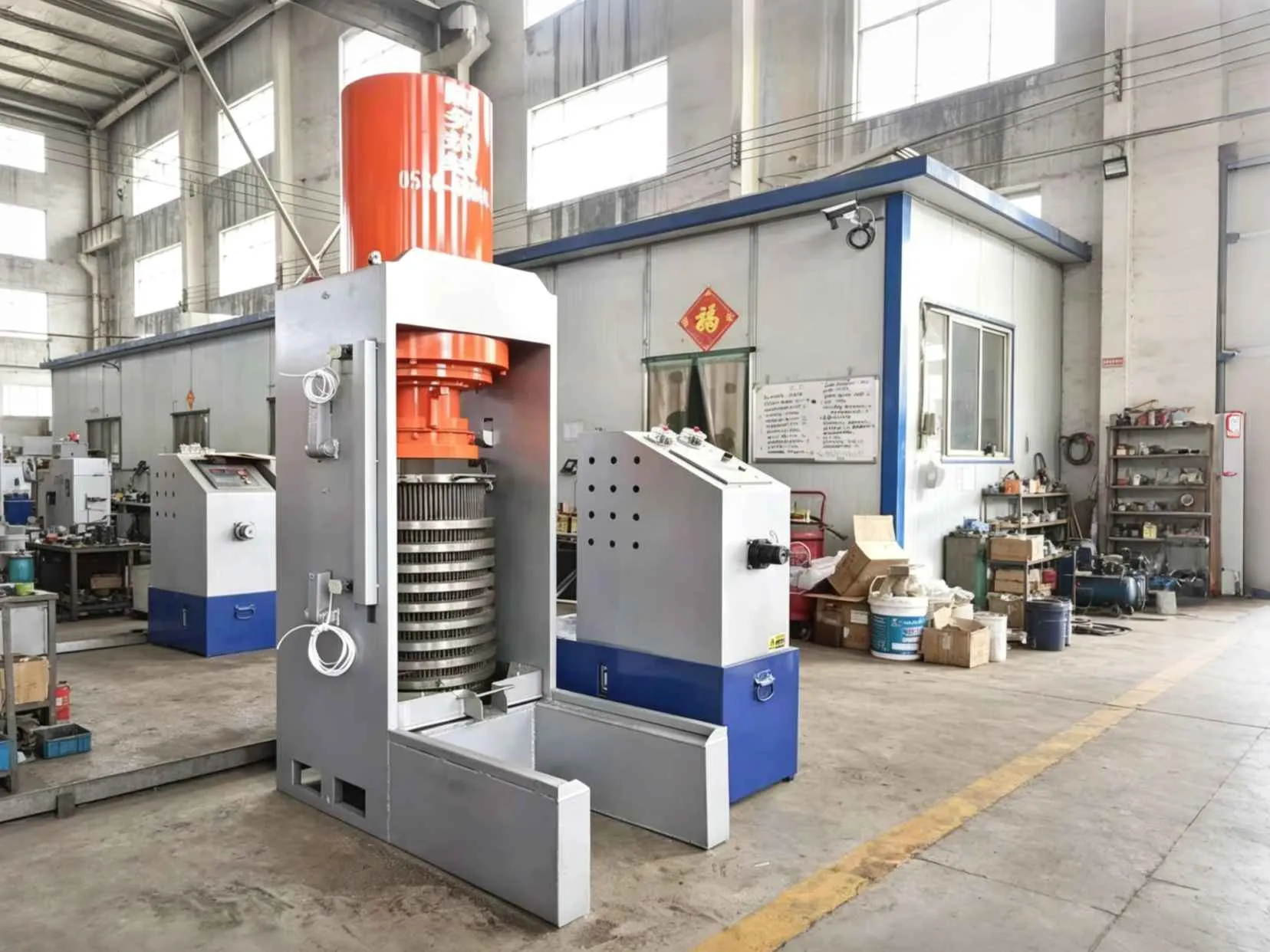
Haonuo’s almond oil pressing solution is built around our cold press hydraulic technology, which is the gold standard for almond oil cold press extraction. Unlike screw presses that generate friction heat exceeding 100°C, our hydraulic cold press operates below 60°C, preserving the vitamin E, oleic acid, and natural almond fragrance that make cold-pressed almond oil so valuable in the marketplace.
With almonds containing 50-55% oil — among the highest of all oilseeds — almond oil pressing offers excellent returns on investment, particularly for producers targeting the growing natural cosmetics and organic food markets.
Oil Yield Expectations
| Raw Material | Oil Content | Expected Press Yield | Residual Oil Rate |
|---|---|---|---|
| Shelled Sweet Almonds | 50-55% | 44-50% | ≤ 5% |
| Blanched Almonds | 50-55% | 45-51% | ≤ 5% |
| Roasted Almonds | 50-55% | 47-52% | ≤ 4% |
Key factors affecting yield:
- Almond variety: Nonpareil and California varieties have excellent oil content
- Skin removal: Blanching (removing skins) slightly improves yield and produces lighter-colored oil
- Moisture content: Optimal pressing moisture is 4-6%
- Cold vs. hot press: Cold pressing yields slightly less but produces premium-quality oil
Recommended Process
- Almond Selection — Use high-quality, shelled sweet almonds. Discard any rancid, moldy, or damaged nuts. Bitter almonds should never be used for edible oil due to amygdalin content.
- Cleaning — Remove dust, shell fragments, and other impurities. Clean almonds produce better-tasting, clearer oil.
- Blanching (Optional) — Briefly immerse almonds in hot water to loosen skins, then remove skins by rubbing. Blanching produces lighter-colored oil preferred in cosmetics.
- Cold Pressing — Feed prepared almonds into the Cold Press Hydraulic Oil Press (HN426). The low-temperature pressing preserves vitamin E and natural aroma. Each batch of 25-40 kg processes in 30-40 minutes (hot press) or approximately 2 hours (cold press).
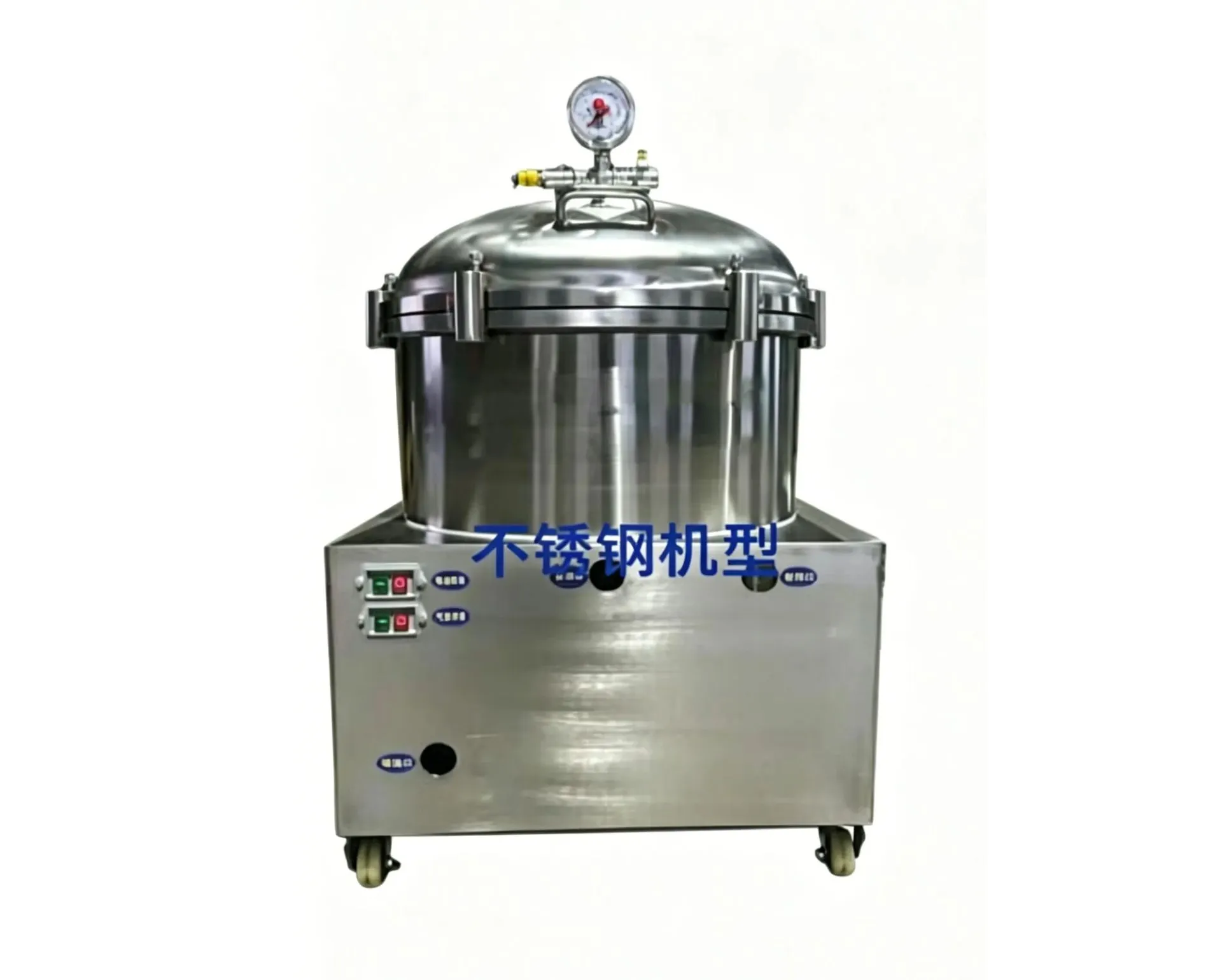
- Filtration — Pass crude almond oil through the Pneumatic Oil Filter Press for clear, premium oil. Fine filtration is important for cosmetic-grade almond oil.
- Settling — Allow filtered oil to settle for 24-48 hours in a cool, dark place.
- Packaging — Bottle almond oil in dark glass bottles. Almond oil is sensitive to light and heat, so proper packaging extends shelf life.
Recommended Equipment
- Cold Press Hydraulic Oil Press (HN426) — Purpose-built for cold pressing with temperature control below 60°C. Essential for producing premium almond oil that retains maximum nutritional value.
- Pneumatic Oil Filter Press — Produces crystal-clear almond oil suitable for both food and cosmetic applications. Fine filtration is critical for premium markets.
Frequently Asked Questions
How much does an almond oil press machine cost? Our almond oil press machines are available in various configurations from cold press to high-capacity models. We offer factory-direct pricing with no middleman markup. Get pricing for your production needs.
Can I press almonds with the shells on? No. Almond shells are extremely hard and will damage your equipment. Always use shelled almonds for oil pressing. The shells also contain tannins that can affect oil flavor and quality.
Is cold-pressed almond oil really better? Yes, significantly. Cold-pressed almond oil generally retains more vitamin E than hot-pressed oil, along with more phytosterols and natural antioxidants. This can translate to higher market value — cold-pressed almond oil typically sells for 30-50% more than refined almond oil, though actual results vary.
What is the difference between sweet and bitter almond oil? Sweet almond oil (from Prunus dulcis) is the common edible and cosmetic oil. Bitter almond oil contains amygdalin, which breaks down into toxic hydrocyanic acid. Bitter almond oil is used only in very small quantities as a flavoring agent after proper processing. Our equipment is designed for sweet almond oil production.
What are the main markets for almond oil? Almond oil has two primary markets: cosmetics (moisturizers, hair care, massage oil) and food (cooking oil, salad dressing, nutritional supplement). The cosmetics market accounts for approximately 60% of global almond oil demand and offers the highest margins.
Why Choose Haonuo
- Cold press expertise — Our HN426 model is specifically designed for cold pressing, maintaining temperatures below 60°C to preserve almond oil’s premium nutritional profile.
- Maximum vitamin E retention — Hydraulic pressing avoids the heat degradation of screw presses, preserving the vitamin E content that makes almond oil so valuable.
- Factory-direct pricing — Buy directly from the manufacturer and save compared to trading company prices (actual savings vary).
- Cosmetic-grade quality — Our filtration system produces almond oil clear enough for premium cosmetic applications.
- Proven globally — Our almond oil press machines operate successfully in California, Spain, Australia, and the Middle East — the world’s key almond producing regions.
Process Flow
Almond Preparation
Clean and sort almonds, optionally blanch to remove skins
Cold Pressing
Use the Cold Press Hydraulic Oil Press for premium cold-pressed almond oil
Filtration
Filter for clear, premium almond oil
Frequently Asked Questions
What is the oil content of almonds?
Can I press almonds with shells?
Is cold-pressed almond oil better?
What is the price of an almond oil press machine?
How much almond oil can I produce per day?
Other Solutions
Coconut Oil Pressing Solution
Professional coconut oil press machine for virgin coconut oil extraction. Hydraulic cold press technology with high yield. Factory-direct pricing from Haonuo.
Sesame Oil Pressing Solution
High-yield sesame oil press machine with hydraulic technology. Extract premium sesame oil with low residual rate. Cold and hot press options from Haonuo.
Peanut Oil Pressing Solution
Reliable peanut oil press machine for cold and hot pressed groundnut oil extraction. High yield hydraulic press from Haonuo. Competitive factory pricing.
Ready to Start Your Almond Oil Business?
Contact us for a complete solution with professional equipment recommendations.
Get a Free Quote